

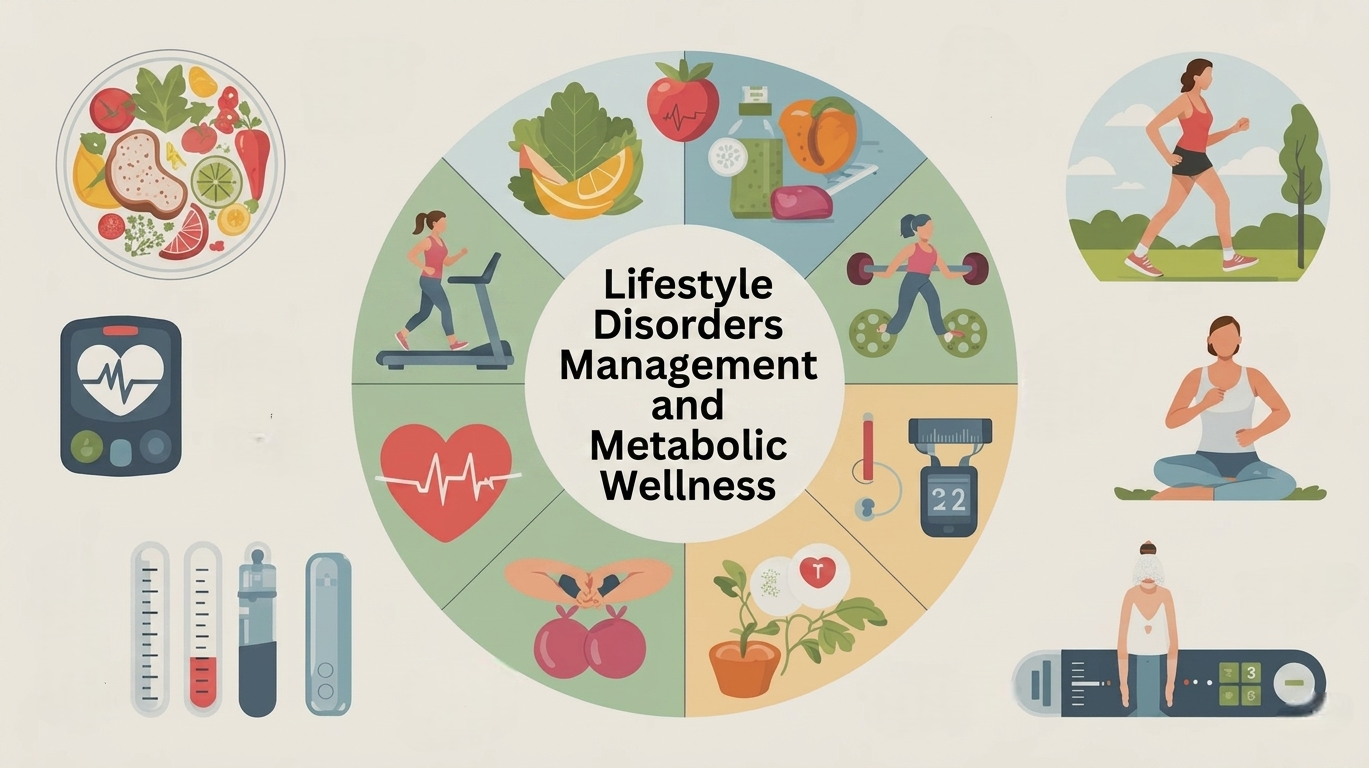
Take Care of Your Health—Before Your Body Forces You To
Let me ask you something simple.
When was the last time you actually listened to your body?
Not when you were seriously sick.
Just… when something didn’t feel quite right.
Maybe you’ve felt unusually tired.
Or noticed frequent headaches.
Or realized you don’t feel as energetic as you used to—even after resting.
And like most people, you probably brushed it aside.
“Maybe I just need better sleep.”
“It’s probably stress.”
So you carry on.
Because life is busy. Work doesn’t stop. Responsibilities don’t wait.
But here’s the truth—
your body is talking to you.
Just not loudly.
Lifestyle disorders don’t appear overnight.
They build slowly, quietly… through small signs we often ignore.
And today, especially in India, this is becoming very common.
Conditions like diabetes, high blood pressure, and obesity are no longer rare—they’re part of everyday life.
The good news?
You still have control—especially if you act early.
What Are Lifestyle Disorders, Really?
Nothing complicated here.
Lifestyle disorders are health issues that develop because of how we live every day.
It’s not just one habit—it’s a mix of things:
- What we eat
- How much we move
- How we handle stress
- How well we sleep
Over time, these daily choices shape our health.
Some common examples include:
- Type 2 diabetes
- High blood pressure
- Obesity
- Heart-related problems
- Fatty liver
- Metabolic syndrome
Why Is This Becoming So Common?
If you look at your daily routine, the answer becomes clear.
We Sit More Than Ever
Work, travel, even relaxation—everything involves sitting.
Food Is Quick, But Not Always Healthy
Fast food saves time, but it doesn’t always support your body.
Stress Has Become “Normal”
Deadlines, pressure, responsibilities—it adds up quietly.
We Delay Health Check-Ups
Most people wait until something feels serious.
What Happens If You Ignore the Signs?
At first, it doesn’t feel urgent.
But over time, these small issues can lead to bigger problems:
- Heart disease
- Stroke
- Kidney, liver, or eye damage
- Low immunity and frequent illness
And it’s not just about health.
It affects your life too:
- More hospital visits
- More medications
- Less energy for everyday living
- Increasing medical expenses
That’s why early action matters so much.
What Does “Metabolic Wellness” Actually Feel Like?
It’s not just a medical term.
It’s how you feel when your body is working well.
- You wake up feeling fresh
- You have steady energy throughout the day
- Your body feels light and active
In simple terms, metabolic wellness means:
- Stable blood sugar
- Normal blood pressure
- Balanced cholesterol
- Healthy weight
- Proper hormone function
It’s your body functioning the way it should.
Why Regular Check-Ups Matter
Here’s something important:
You can feel completely fine… and still have a health issue.
That’s what makes lifestyle disorders tricky.
They often don’t show symptoms early.
That’s why regular check-ups are so important.
Keep an eye on:
- Blood sugar (including HbA1c)
- Blood pressure
- Cholesterol
- Weight and BMI
- Liver and kidney health
A simple rule:
- Every 3–6 months if you’re at risk
- Once a year if you’re generally healthy
It’s a small step that can prevent bigger problems.
Healthcare Is Changing—And That Helps You
Today, healthcare isn’t just about treating illness.
It’s about helping you stay healthy.
With things like:
- Health tracking apps
- Preventive screenings
- Continuous monitoring
Doctors can now guide you earlier—and more effectively.
Why Starting Early Makes Life Easier
When you take action early:
- You prevent problems from getting worse
- You may avoid long-term medications
- You feel more energetic and confident
- You reduce long-term expenses
- You enjoy a better quality of life
You don’t need to be perfect.
You just need to begin.
Quick Takeaways
- Lifestyle disorders are common—but manageable
- They develop slowly and silently
- Regular check-ups help you stay ahead
- Small changes can make a big difference
- Consistency matters more than perfection
FAQs
1. What are lifestyle disorders?
They are long-term conditions caused by daily habits like poor diet, inactivity, and stress.
2. How often should I get checked?
Every 3–6 months if you’re at risk, otherwise once a year.
3. Can they be reversed?
In many early cases, yes—with the right lifestyle changes.
4. What is metabolic wellness?
It’s when your body’s systems are balanced and working properly.
5. Why is early detection important?
Because it makes treatment easier and helps prevent complications.