

Emergencies never come with a warning.
One moment, everything feels fine…
and the next, something is wrong.
It could be chest pain that won’t go away,
a sudden fall, an accident, or someone struggling to breathe.
In those moments, nothing else matters.
You’re not thinking about hospitals, departments, or procedures.
You’re just thinking:
“I need help. Right now.”
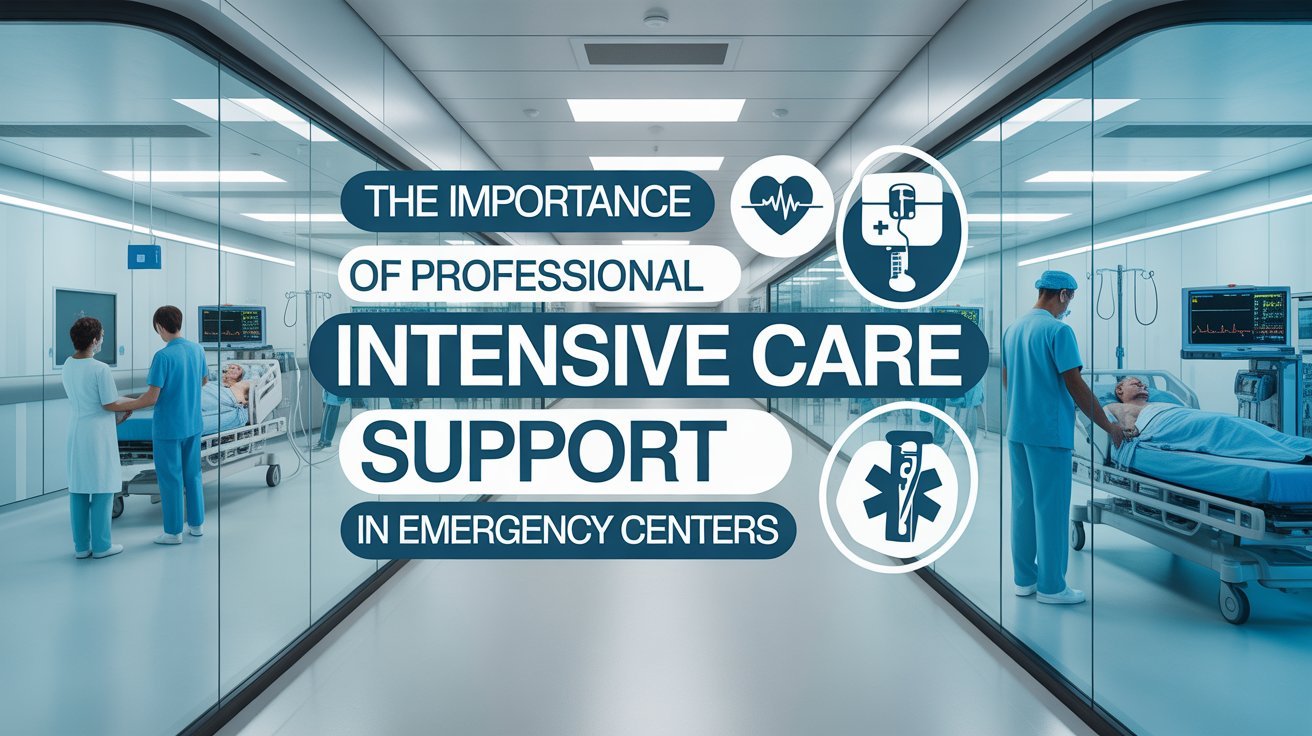
And that’s exactly where ICU support in emergency care makes all the difference. Because when you reach the hospital, care shouldn’t start later.
It should already be happening.
So, What Does ICU Support Really Mean?
Let’s make it simple.
Instead of moving from one department to another,
critical care begins the moment you arrive.
It’s like the ICU comes to you—right inside the emergency room.
From the very first minute:
- A trained critical care team is ready
- Life-saving equipment is already in use
- Your vital signs are being closely watched
- Tests and scans begin without delay
There’s no waiting. No confusion. No lost time.
Just immediate care when it matters most.
Why This Matters More Than We Think
Because every second counts
In emergencies, even a few minutes can change everything.
With ICU support:
- Doctors act immediately
- Treatment starts without delay
- Decisions are made faster and more clearly
That quick response can save a life—or prevent a situation from becoming worse.
Because care should feel continuous, not interrupted
In many places, patients are shifted from one unit to another before receiving full care.
But every movement takes time. And time isn’t something you have in an emergency.
With ICU-supported emergency care:
- Everything happens in one place
- There’s no unnecessary shifting
- The same team stays with you throughout
It feels more stable, more organized—and much safer.
Because emergencies can be anything
No two emergencies look the same.
It could be:
- A serious accident
- A heart attack
- A stroke
- A severe infection
- Breathing difficulty
- Or complications after surgery
ICU-ready emergency care is built to handle all of this—immediately.
The Reality: Not Every Hospital Is Prepared
Even today, not all hospitals can provide ICU-level emergency care.
Some may face:
- Limited ICU facilities
- Fewer trained specialists
- Delays in diagnosis
- Overcrowded emergency rooms
And in critical situations, even small delays can make a big difference
When Care Is Delayed, It Shows
Delays don’t just slow things down—they affect recovery.
For patients:
- Conditions can worsen quickly
- Complications become more likely
- Recovery may take longer
For hospitals:
- Increased pressure on staff
- Longer hospital stays
- Loss of patient trust
That’s why in emergency care, speed isn’t a luxury—it’s a necessity.
What Better Emergency Care Looks Like Today
Hospitals are now rethinking how they handle emergencies.
The focus is on:
- Real-time patient monitoring
- Immediate involvement of specialists
- Ready-to-use critical equipment
- Faster, clearer decision-making
The goal is simple: faster care, better recovery, and safer outcomes.
What This Means for You and Your Family
In an emergency, ICU support gives you something priceless—reassurance.
It means:
- Care starts immediately
- Diagnosis and treatment happen faster
- Recovery chances improve
- Monitoring is continuous
- There’s no unnecessary movement
- The entire experience feels more controlled and less stressful
And in those overwhelming moments, that sense of certainty matters more than anything.
FAQs
1. What is ICU support in emergency care?
It means critical care begins the moment you arrive—without delays.
2. Why is it so important?
Because faster treatment and close monitoring can save lives.
3. Will it reduce waiting time?
Yes. Care starts immediately, without extra steps.
4. What kind of emergencies need this?
Heart attacks, strokes, accidents, infections, breathing problems, and more.
5. Is it available everywhere?
No. Only hospitals with the right facilities and trained teams offer this level of care.